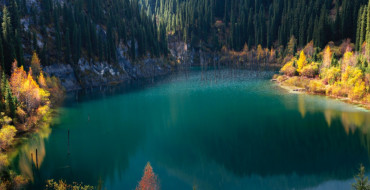
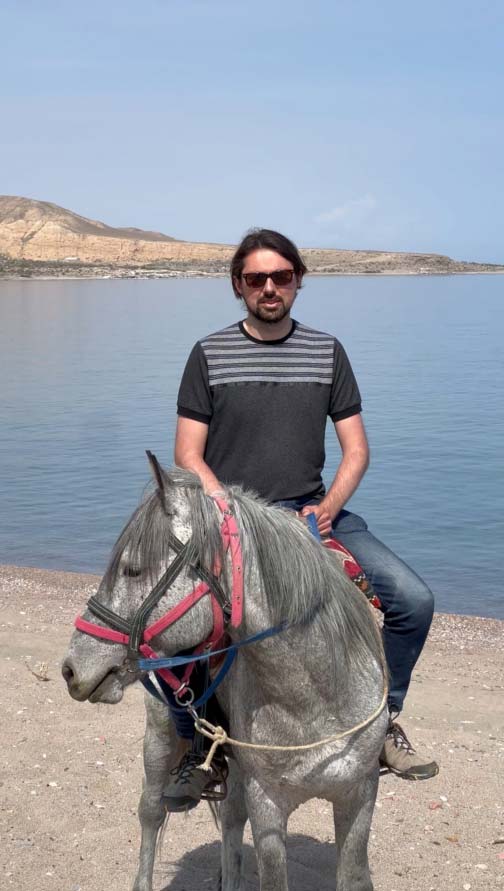
A vast plain covered in dry grass merges with the clear sky at the edge of the horizon. The Kazakh steppe is part of the Great Steppe stretching across all of Eurasia — a territory where empires rose and fell, thousands of nomadic tribes passed through, and life was born and perished.
The Great Kazakh Steppe
What comes to mind when you hear the word "steppe"? Kilometres of dry grass and thorns, hard earth and dust? In reality, this enormous territory — nearly 700 km wide — is so diverse that stone paths give way to grass rivers and poppy fields. The beauty lies in the fact that these plains are almost untouched by humans. No agriculture, no houses. The steppe lives its own life, forming its own ecosystem of roughly 800,000 square kilometres.
The steppe lands have a history stretching back to prehistoric times. They hold ancient artifacts left by Khanates and peoples over thousands of years. The first Turkic tribes lived here; later, warriors of the Golden Horde and Genghis Khan made their camps; still later it became the home of the Kazakh Khanate.
Flora and Fauna of the Kazakh Steppe
Steppe vegetation is adapted to dry, hot summers and can survive with minimal moisture. Kazakhstan is home to many plants unfamiliar to visitors from other regions.
 Saxaul
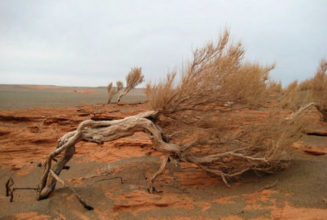
In southern Kazakhstan you can easily encounter the saxaul — a thorny shrub or small tree, 1.5 to 15 metres tall. Saxaul thrives across southern Kazakhstan and its ability to grow in arid steppe zones makes it invaluable.
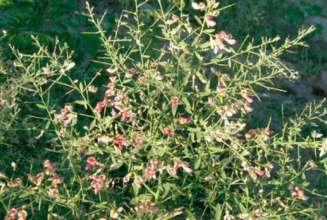 Camel Thorn
Another legendary plant is camel thorn. This remarkable plant is perfectly adapted to life in arid conditions. Though no more than a metre tall above ground, its root reaches up to 20 metres — equivalent to a 7-storey building — allowing it to draw water even in desert conditions.
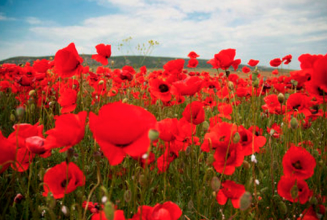 Poppies
When the steppe snow melts in spring, poppies awake from their winter sleep. Melting water penetrates the soil, triggering a burst of plant growth. Blooming poppies in April and May cover the landscape in a solid purple carpet stretching to the horizon.
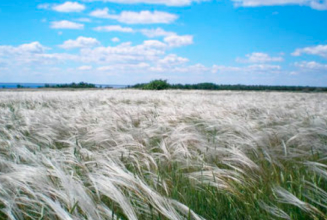 Feather Grass
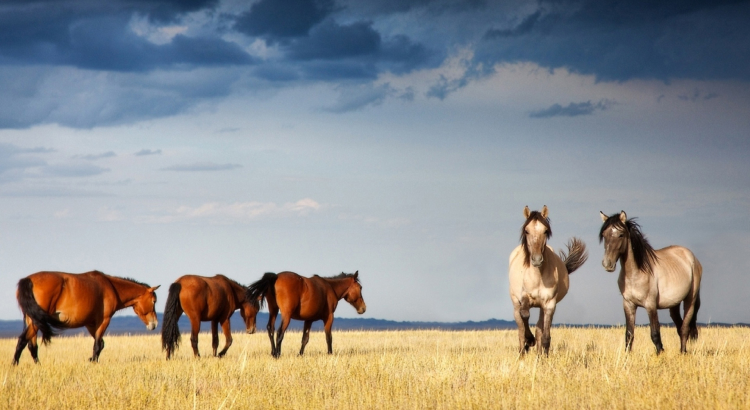
The most widespread plant of the steppe is feather grass — a tough cereal that serves as the main food for herbivores living on the plains, both wild and domestic. The endless green sea of the steppe is used by humans as pastureland for sheep, horses and camels.